Grief support in Bolton: where to turn, and how to know what you need
When people first think about asking for help with grief, a lot of them worry that they’re wasting the therapist’s time. They feel they don’t have a major crisis, and that somebody else is worse off than them. So they kind of don’t want to waste your time.
If you’re looking for grief support in Bolton, you might recognise that feeling. You might not even be sure whether counselling is what you need.
That’s why I’ve put together this guide to the different types of bereavement support available locally, including free services.
What works for one person might not work for somebody else. Some people might just need somebody to talk to, somebody who understands what they’re going through. Other people might want to explore things a little bit deeper. And if a free service can give somebody the support they’re looking for, then that’s a good thing. It doesn’t always have to be counselling.
Bereavement support in Bolton at a glance
| Support | Who it’s for | Cost | How to get in touch |
|---|---|---|---|
| The Bereavement Café CIC (opens in a new tab) | Anyone grieving who’d like to meet others who understand. Peer support, not counselling. | Café sessions free; some special events paid | Café dates and venues (opens in a new tab) |
| 1Point bereavement and loss counselling (opens in a new tab) | People coping with the death of someone close. You can refer yourself. | Most services free at the moment; check when you get in touch | 01204 917744 |
| Bolton Hospice bereavement support (opens in a new tab) | Family and friends of people cared for by the hospice | Free | 01204 663 066 |
| Bolton NHS FT Bereavement and Patient Service (opens in a new tab) | Families after a death at Royal Bolton Hospital. Guidance with paperwork, the death certificate and belongings. | Free | 01204 390807, Mon–Fri 8am–4pm |
| Bolton Talking Therapies (NHS) (opens in a new tab) | Ages 16 and over with anxiety, depression or stress. Not a dedicated grief service. | Free | Refer yourself online |
| SoBS Bolton (opens in a new tab) | Adults bereaved by suicide. Peer support group. | Free | 07961 268241 |
| Cruse Bereavement Support (opens in a new tab) | Anyone grieving, by phone | Free | 0808 808 1677: Mon, Wed–Fri 9.30am–5pm; Tue 1pm–8pm |
| Bolton Lads & Girls Club bereavement service (opens in a new tab) | Young people aged 8 to 18 living in Bolton, at least six months after the death | Free | Referral form, by email to bereavement@blgc.co.uk |
| Andrea Long Counselling | Adults 18 and over. Face to face, online or walk-and-talk. | £50 for 60 minutes; free 10–15 minute introductory call | WhatsApp or the enquiry form |
Not sure which one you need?
You don’t have to know before you reach out. Here’s roughly how I’d think about it.
If you’d like to be around other people who’ve lost someone, the Bereavement Café is a good place to start. You don’t have to explain everything or find the right words, and some people just go to sit and listen.
If someone has died at Royal Bolton Hospital and you’re trying to deal with the paperwork, the death certificate or their belongings, the hospital’s Bereavement and Patient Service can guide you through that side of things.
If you’d like counselling but paying privately isn’t possible, 1Point offers bereavement and loss counselling you can refer yourself to. If grief has brought on low mood or anxiety, Bolton Talking Therapies is free through the NHS.
Sometimes somebody might just want to talk about the person they’ve lost, or spend time with other people who have experienced something similar. But sometimes there’s a lot more going on. People can fall into old patterns of behaviour, or they’re struggling to understand why they’re feeling a certain way. That’s where counselling can help open up the conversation and explore those things at a pace that’s suitable for them.
I wouldn’t necessarily say one is better than the other. It’s about what that person needs at that moment.
The NHS also has general information about grief, bereavement and loss (opens in a new tab), if you’d like to read more first.
The services in a bit more detail
The Bereavement Café CIC
The Bereavement Café runs pop-up peer support cafés around Bolton, Wigan and nearby, with trained facilitators and volunteers. It was founded by somebody who had experienced bereavement herself. They also offer one-to-one listening sessions. The café sessions are free; some special events, like a festive afternoon tea, are paid, so check each listing.
They say plainly that they’re not a counselling service, and I think that’s an honest and useful thing to say. Not everyone wants therapy. Sometimes you just want to be with people who understand why you still want to talk about the person you’ve lost. Dates and venues are on their café dates page (opens in a new tab).
1Point: bereavement and loss counselling
1Point is a Bolton charity, and you can refer yourself without going through your GP. If your loss was in the last six months, there’s a short-term service: a longer first session, then up to four more, a fortnight apart. Ongoing counselling is there if you need more after that. Most of their services are free at the moment, thanks to their current funding, so check the cost when you get in touch. Call 01204 917744.
Bolton Hospice
Bolton Hospice supports the family and friends of people cared for by the hospice, including after the person has died. That can be one-to-one time with a member of staff or a trained volunteer, by phone, online or at the hospice, and informal support groups. Call 01204 663 066.
If the person you’ve lost wasn’t a hospice patient, check with them first. A Bolton Council information sheet says their bereavement support is only for people who use the hospice’s services.
Bolton NHS Foundation Trust Bereavement and Patient Service
If someone has died at Royal Bolton Hospital, the hospital’s bereavement team can guide you through the practical side: the paperwork, the death certificate, and your loved one’s property and valuables. They’re on the ground floor of Trust Headquarters, open Monday to Friday, 8am to 4pm, on 01204 390807.
GOV.UK has a step-by-step guide to what to do after someone dies (opens in a new tab), including registering the death.
Bolton Talking Therapies (NHS)
Bolton Talking Therapies (opens in a new tab) is free for people aged 16 and over, and you can refer yourself online. It offers treatment for difficulties such as anxiety, depression and stress, rather than being a dedicated grief counselling service. If grief has brought on low mood or anxiety, it’s worth asking whether they can help.
SoBS Bolton
SoBS (Survivors of Bereavement by Suicide) runs a free peer support group in Bolton for adults who’ve lost someone to suicide. It meets on the third Thursday of each month, 7pm to 9pm. Call 07961 268241, or the SoBS helpline on 0300 111 5065.
Cruse Bereavement Support
Cruse is a national charity, and its free helpline (opens in a new tab) is 0808 808 1677. It’s open Monday, Wednesday, Thursday and Friday from 9.30am to 5pm, and Tuesday from 1pm to 8pm. If you’re not ready to meet anyone face to face, a phone call can be an easier first step.
For children and young people
Bolton Lads & Girls Club has a bereavement service for young people aged 8 to 18 who live in Bolton. The death needs to have been at least six months ago, so it may not be the first step for a newly bereaved family. Referrals are made with the young person’s consent, using a form sent to bereavement@blgc.co.uk. I work with adults aged 18 and over, so for a child or teenager this is the right place to start.
Why talking to friends isn’t always enough
When people ask me whether counselling is just talking, and whether they could do the same with a friend, I say it’s great to have friend connections. You’ve got someone you can open up to. But a friend will sometimes just wait to speak themselves.
With grief, there’s often more to it. Your friends might be grieving the same person. They might not know what to say, so they change the subject or try to make it better. None of that means they’ve let you down. It just means you might need somewhere the time is all yours.
The pattern I see is people discounting themselves all the time, putting other people’s needs first, people pleasing. They’ve never put themselves first. They’ve never given themselves that care. So taking an hour that’s just about you can feel strange, even selfish. It isn’t.
When one-to-one counselling might help
When someone says, “I’m not sure how to start” or “I don’t know what to say in the sessions”, I tell them that’s where I’m trained and qualified to help open up the conversation. We might just talk about something that’s gone on that day, and that can still tell me a lot about how someone copes with a certain situation. From there, there’s such a lot to kind of unpack and look at.
With grief, I often see people who’ve become used to hiding their feelings, masking them, putting them under a carpet and pressing the carpet down. In transactional analysis, the approach I use, we’d call that a “don’t feel” message, often given early on in life. It sounds complicated, but when you get going, it has some great tools, and you learn them as you go along.
I’d never tell anyone they’ll feel better in a few sessions. There’s no aha moment with therapy. It is a process, and it’s about giving you the tools to deal with everyday situations without that fear that’s come from the past.
I try to put people at ease by explaining that everybody has an individual and unique story. Their experiences have shaped who they are today, and that’s what we can work through at a pace that’s suitable for them.
Before we start, there’s a free introductory call of 10 to 15 minutes. Why we do the initial call is to see if we can both work with each other, because it’s so important. I’m listening out for what you’re looking for, and whether it’s something I can help with.
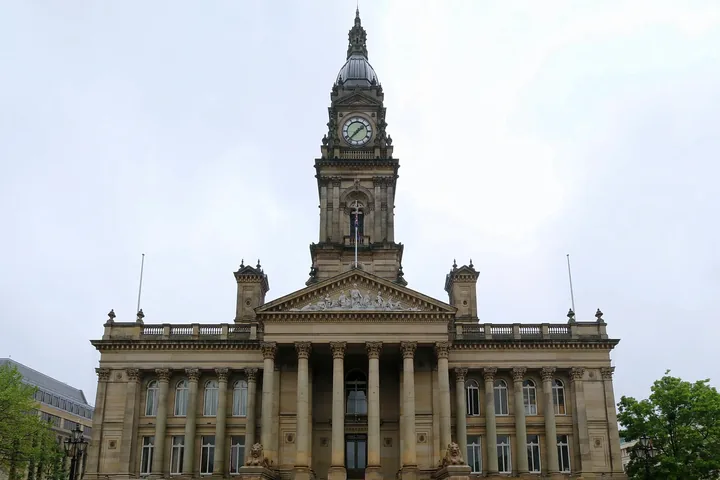
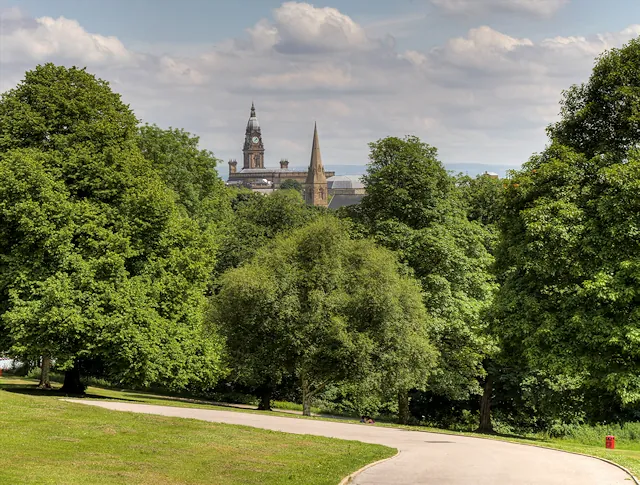
We can meet face to face at Douglas House, 196 Belmont Road, Bolton, online by WhatsApp video or Zoom, or walking and talking on park and reservoir paths around Bolton.
Bereavement counselling in Bolton
Questions people ask
Can I get free bereavement counselling in Bolton?
Yes. 1Point offers bereavement and loss counselling in Bolton, and its current funding allows most services to be provided free of charge. You can refer yourself without going through your GP. There are also free options such as Cruse Bereavement Support and NHS talking therapies, although they offer different kinds of help.
Does the NHS provide grief counselling in Bolton?
Bolton Talking Therapies is the NHS talking therapies service you can refer yourself to. It’s free for anyone aged 16 and over. It offers treatment for difficulties such as anxiety and depression, and it isn’t a dedicated grief counselling service. If grief has brought on low mood or anxiety, it may still be able to help. If someone died at Royal Bolton Hospital, the hospital’s Bereavement and Patient Service can help with the practical side. 1Point isn’t part of the NHS, but most of its bereavement counselling is free at the moment. Your GP is also a good person to talk to.
What if the person I lost wasn’t cared for by Bolton Hospice?
The hospice’s bereavement support is for the families and friends of its patients. If that isn’t you, try 1Point, the Bereavement Café or Cruse.
Is it too late to ask for support if they died a long time ago?
No. Grief doesn’t always arrive when people expect it to, and it can come back years later. Counselling doesn’t have a cut-off. What matters is what you’re experiencing now and whether having somebody to talk to might be helpful.
If you need help urgently
I’m not an emergency or crisis service, so if you need support urgently, please don’t wait for a reply from me. If there’s an immediate risk to life, or you don’t feel you can keep yourself safe, call 999 or go to A&E. If you feel mentally unsafe or very distressed, call NHS 111 and choose the mental health option; it’s free and available 24 hours a day. You can also call Samaritans free on 116 123, day or night, or text SHOUT to 85258 if talking feels too much.
Finding somewhere to begin
You don’t need to have it all worked out before you ask for help. Maybe a café feels right, maybe a phone call, maybe a free service first. The most useful support isn’t always the most formal one. It’s the one that fits what you need right now.
If you’d like to talk to me, send me a WhatsApp message (opens in a new tab) or use the enquiry form. We can start with a conversation.
Andrea Long
BACP-registered counsellor and psychotherapist
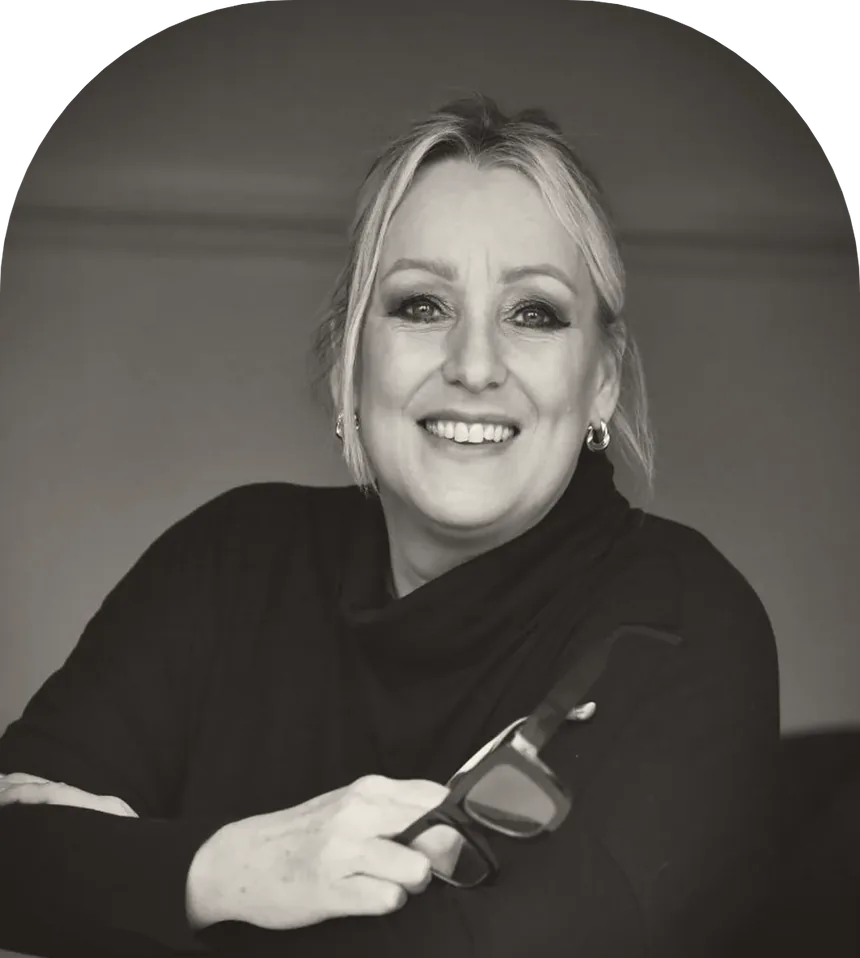
Andrea Long is a BACP-registered counsellor and psychotherapist offering face-to-face counselling in Bolton, online sessions across the UK and walk-and-talk counselling around Bolton. Her approach draws on transactional analysis, and she works with adults experiencing bereavement, anxiety, low mood and other personal difficulties.
Registered Member of BACP (MBACP), registration number 414595.
More about AndreaCounselling Directory profile (opens in a new tab)Check the BACP Register (opens in a new tab)