In person · Bolton BL1
Face-to-face counselling
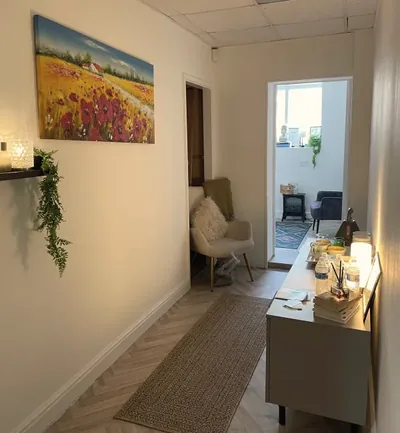
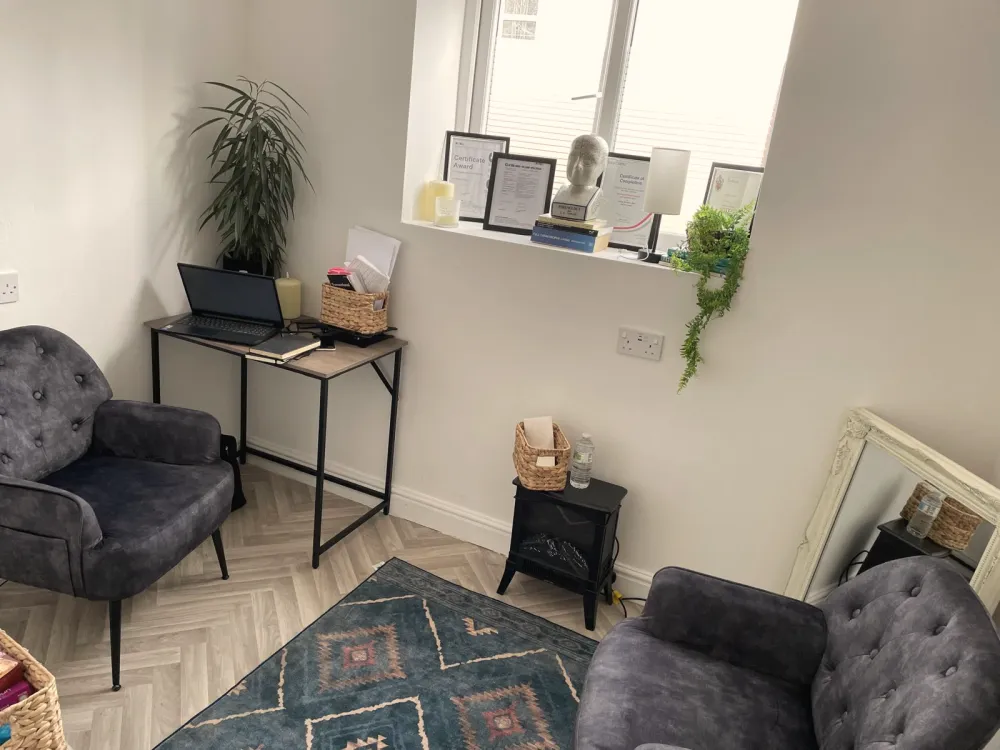
A quiet, private room at Douglas House on Belmont Road, with free parking nearby.
Visiting the roomStarting counselling can feel like a big step, especially if you’re not sure what to say. You don’t need to have it worked out. You don’t need a reason that feels “serious enough”, and you don’t need to know anything about counselling first.
Here’s what happens, from your first message to your first session and beyond.
Getting started
First
Send me a WhatsApp message or use the short enquiry form. A sentence is plenty. You don’t need to explain everything.
Then
A free call of about 10–15 minutes, so we can introduce ourselves and see whether we might work well together.
When you’re ready
If you decide to go ahead, we arrange a 60-minute session, face to face in Bolton, online or outdoors.
The introductory call
The call is a chance to talk before you decide anything. It usually lasts about 10–15 minutes. During it:
Trust matters in counselling. You need to feel safe enough to open up, so it’s important that we can work together. There’s no obligation to book afterwards. If you’d like to know more about me first, read about Andrea.
| Detail | Introductory call | Counselling session |
|---|---|---|
| Length | About 10–15 minutes | 60 minutes |
| Cost | Free | £50 |
| Purpose | Getting to know each other and deciding whether to go ahead | Time to talk in depth about what’s on your mind |
| Commitment | None | Booked when you’re ready |
Your first session
Your first session lasts 60 minutes. There isn’t a script, and no two first sessions are quite the same. Usually, we spend time getting to know each other: what has brought you to counselling, what’s happening in your life now, and what you’d like to be different.
You don’t need to prepare a full account of your life or tell me everything at once. You decide what you share and when. I’ll listen, take your feelings seriously and go at a pace that feels manageable for you.
We’ll also go through how confidentiality works, and there’s time to ask any questions you have.
Where to begin
This is one of the most common worries, and it’s fine not to know. Helping to open up the conversation is part of my role.
We can start with something ordinary that happened that day. Even a small moment can show a lot about how you’re feeling and how you cope, and one small topic can open into a deeper conversation.
Some people come with something specific, such as anxiety and overthinking or grief after a loss. Others simply feel stuck, or are living with depression or persistent low mood, and aren’t sure why. Both are fine places to start. If you’re a man wondering whether counselling is for you, there’s more on men’s counselling in Bolton.
One little topic of conversation can really open up into a very deep conversation.
Over time
Counselling is a process rather than one sudden breakthrough. Over time, it can give you a clearer understanding of yourself and new ways to handle everyday situations.
Everyone’s story is different, and we work through yours at a pace that suits you.
How many sessions you have depends on what you’d like to work on. We can discuss this during the introductory call.
I work using Transactional Analysis. I introduce its ideas gradually, in plain English, when they help make sense of what you’re experiencing. You don’t need to know anything about it beforehand.
Privacy
Counselling is a private space to talk. Confidentiality does have some limits, for example if someone is at serious risk of harm or the law requires information to be shared. I’ll explain confidentiality and its limits clearly before counselling begins, and you can ask about anything that’s unclear.
As a BACP-registered counsellor (MBACP 414595), I work within the BACP’s ethical framework.
Ways to meet
Every format has the same 60 minutes, the same £50 fee and the same approach. We can talk about which might suit you during the call.
In person · Bolton BL1
A quiet, private room at Douglas House on Belmont Road, with free parking nearby.
Visiting the roomAdults across the UK
Sessions from a private space that works for you, wherever you are in the UK.
How online sessions workOutdoors, by arrangement
Counselling outdoors, side by side, at a location we agree together in advance.
Explore walking sessionsQuestions
There’s no test you need to pass. People often get in touch when their usual ways of coping aren’t working any more: worries keep going round, feelings they’ve pushed down keep resurfacing, or an old pattern, such as always putting others first, isn’t helping them now. You don’t need a diagnosis. If you’re not sure, the free introductory call is a chance to talk it through, with no obligation to book.
You don’t need to be in crisis, and you’re not wasting my time. Many people worry that someone else is worse off than them. Everyone has their own story, and that story is what we work with, at a pace that suits you.
Friends matter, and it’s good to have people you can open up to. But a friend may be waiting for their turn to speak, or find it hard to keep listening to the same worries or grief. In counselling, the hour is yours: I listen, take your feelings seriously and help you make sense of what’s happening.
Start with the basics: check they’re on a professional register, such as the BACP register, and ask about their training and how they work. Beyond that, the relationship you build with your therapist is an important part of counselling. You should feel listened to and taken seriously, not judged, and comfortable enough to talk at your own pace. That’s why I offer a free introductory call before you book. You can view my BACP registration or read about my training.
There isn’t a set number, and no length of time that’s right for everyone. Whether a couple of months is enough depends on what you’d like to work on, and some things take longer than others. On the introductory call, we can talk about what you’re hoping for and what feels realistic, so you have a sense of what to expect.
No. You don’t need to know anything about counselling or TA beforehand. I explain any ideas in plain English if and when they’re useful. You can read more about Transactional Analysis Therapy if you’re curious.
That’s completely fine. The call is there to help you decide, and there’s no obligation to book a session afterwards.
Getting in touch
Send me a WhatsApp message to arrange your free introductory call. A sentence is plenty, and I’ll reply personally.